
[archive 08]
[tarot cards]
01
Record
date
2025
category
illustration
format
analog
02
Tools


[project]
The project explores memory as a system of stories, symbols, and emotions that shape the way we perceive the world. Through visual metaphors and archetypal figures, abstract concepts such as attachment, nostalgia, idealization, and fear are translated into a cohesive symbolic language.
[goal]
To reinterpret selected Major Arcana cards through iconic figures from the horror imaginary.
In this project, monsters no longer inhabit forests, castles, or legends. Instead, they reside within the human mind, becoming visual metaphors for cognitive biases, emotional responses, and psychological mechanisms that influence our perception of reality.
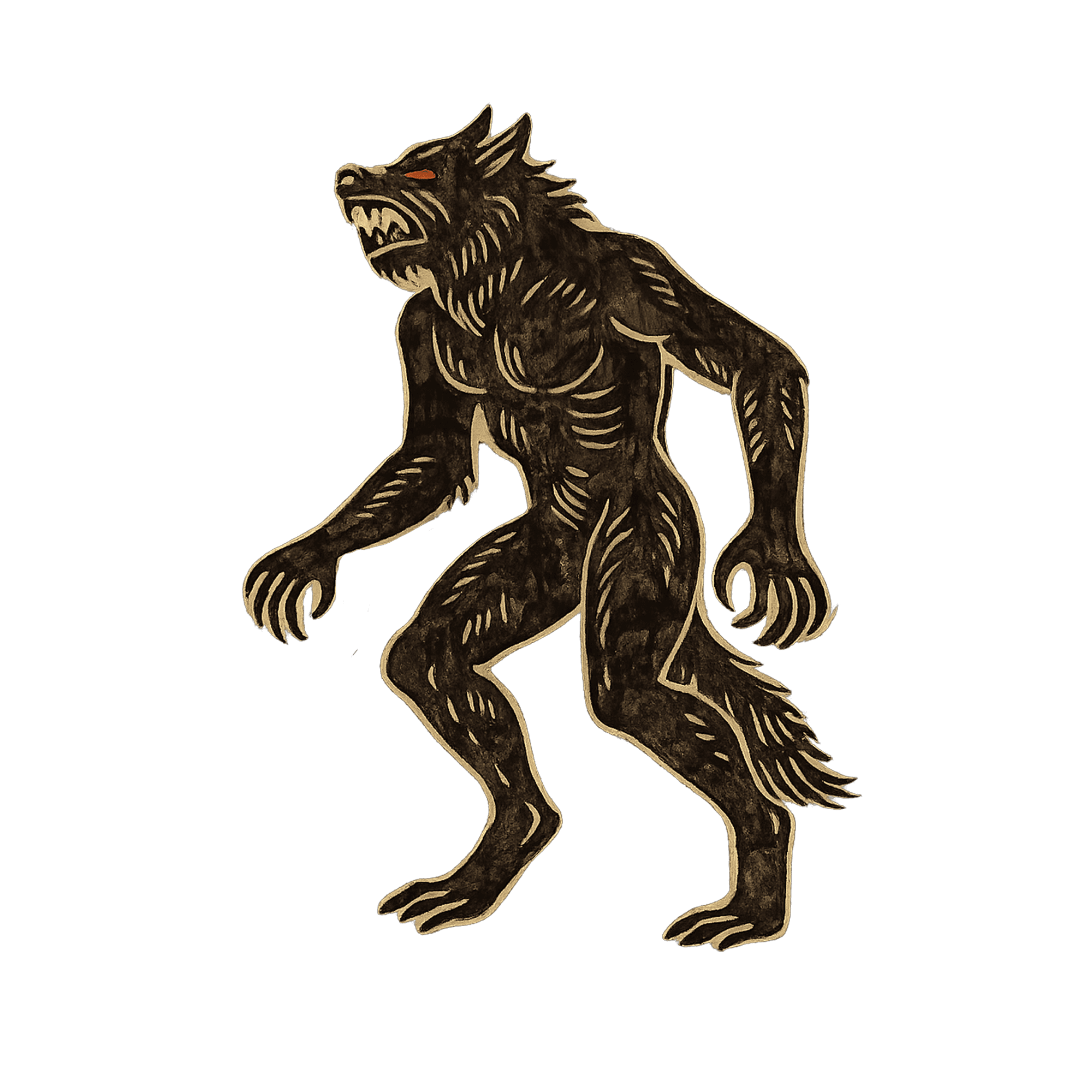
[The fool/ The Werewolf]
The Werewolf represents the loss of control in the face of impulse.
Its transformation symbolizes moments when emotion overtakes reason and actions occur without reflection. Like The Fool, the character moves forward without fully considering consequences, driven by instinct and immediate desire.
The card explores impulsive decision-making and the tendency to act before critically evaluating risks and outcomes.


[The Hermit/ Dracula]
Dracula lives isolated from the world, confined within his castle and disconnected from meaningful relationships.
This figure represents emotional withdrawal taken to an extreme: the constant search for answers in solitude and the retreat into oneself as a protective mechanism.
Linked to The Hermit, the card reflects how introspection can become disconnection when fear of vulnerability outweighs the need for human connection.


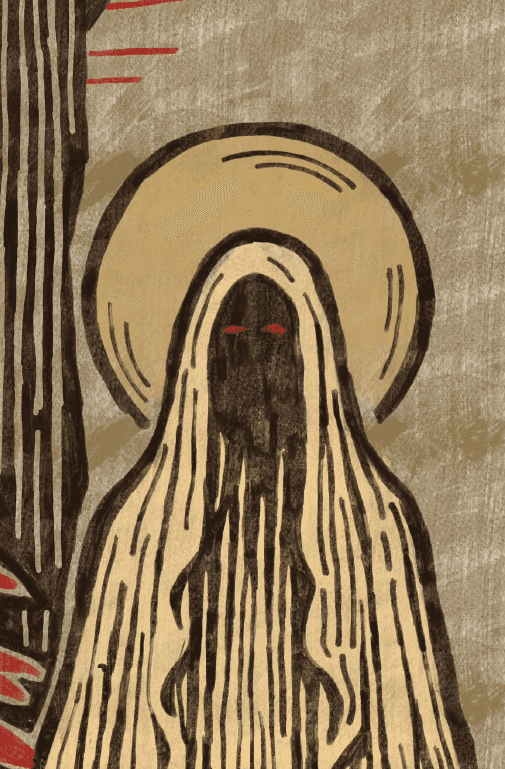
[The Hanged Man/ The White Lady]
The White Lady remains suspended between two worlds, unable to move forward or return. Her ghostly condition serves as a metaphor for mental stagnation, where a person becomes trapped within a situation without finding a way out.
Associated with The Hanged Man, the card represents moments when indecision, fear, or uncertainty prevent action, leaving the mind immobilized in the face of change.


[The Devil/ The Witch]
The Witch symbolizes the construction of a distorted reality.
Obsessed with preserving an idealized image of herself, she avoids confronting aspects of reality she does not wish to acknowledge.
Connected to The Devil, the card represents self-deception as a psychological mechanism: the tendency to conceal, justify, or deny uncomfortable truths. It invites reflection on the beliefs we maintain for protection, even when they prevent us from seeing reality clearly.


[system development]
Beyond the individuality of each character, the project was developed through a shared set of visual rules that ensure consistency across the deck.
Each illustration follows the same compositional structure and graphic logic, balancing individual recognition with overall visual unity. Consistent principles of formal simplification, level of detail, contour treatment, and silhouette construction were applied throughout the system.




"Traditional archetypes remain powerful tools for representing contemporary conflicts."
more archives


