[archive 01]
[la patagonia]








01
Record
date
2025
category
editorial
format
analog
02
tools


[project]
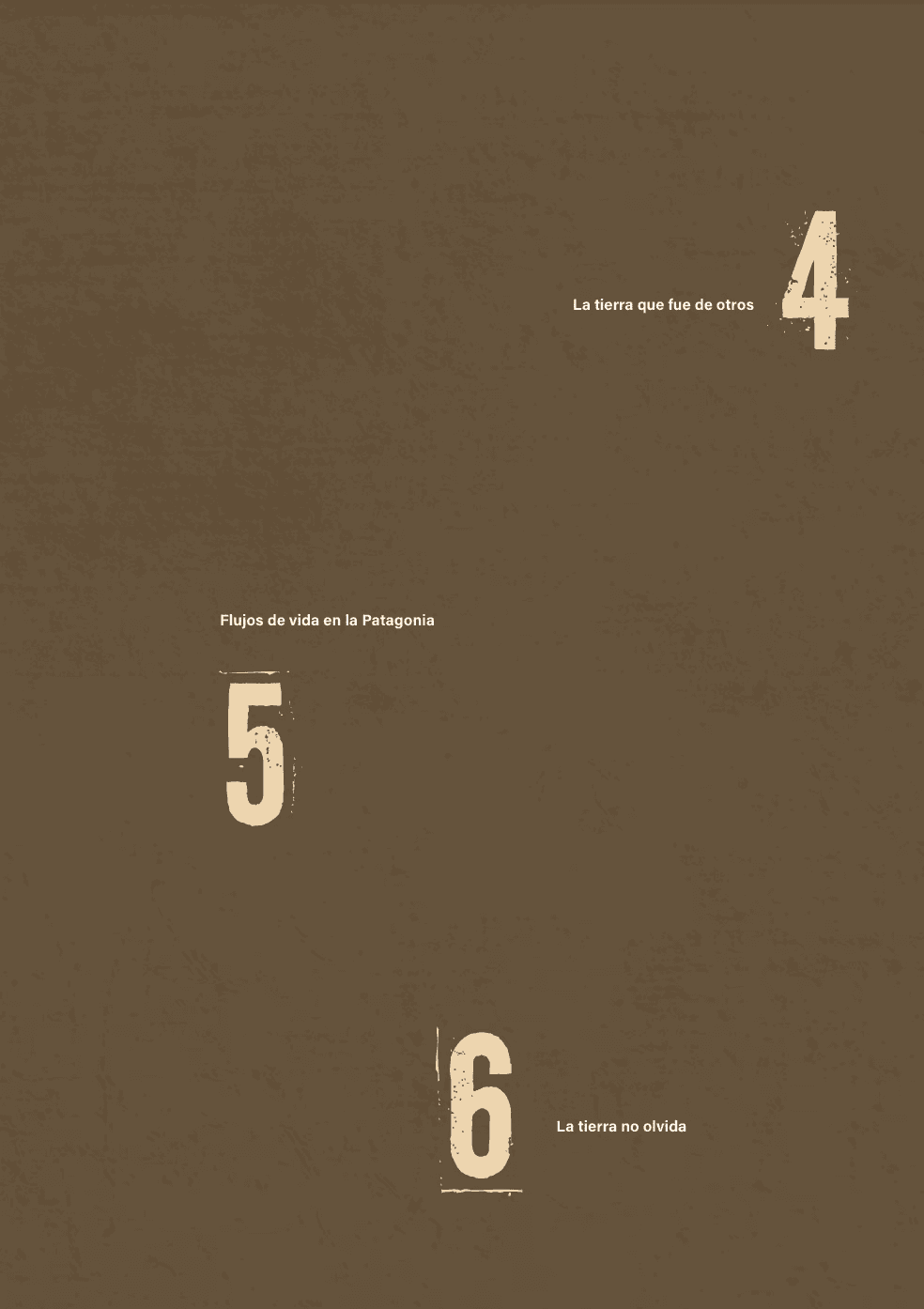
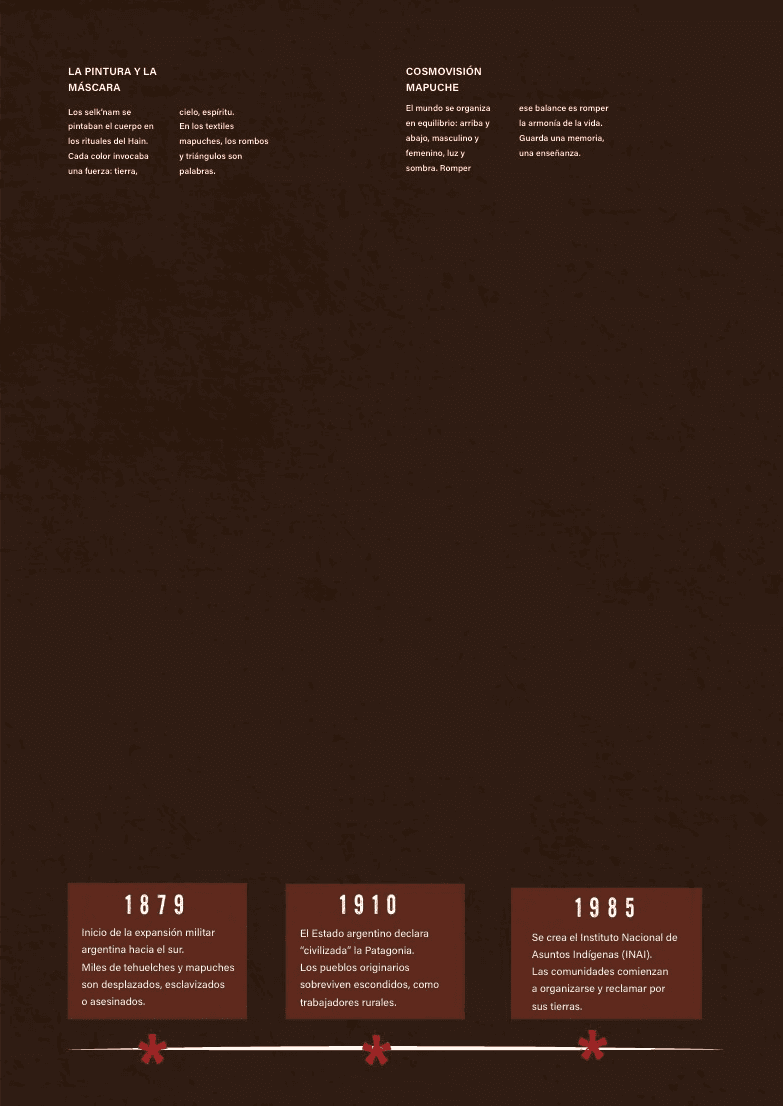
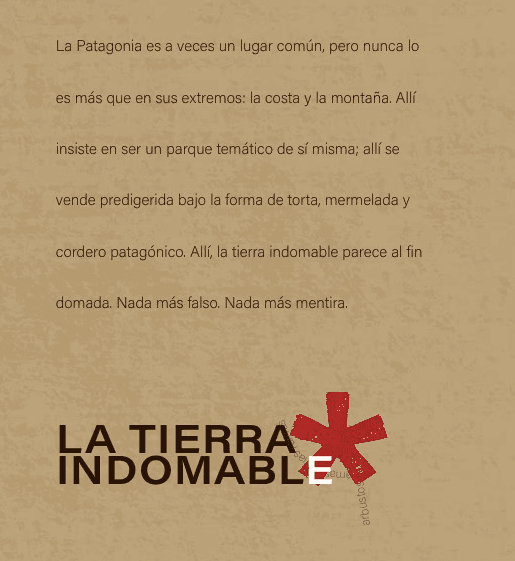
The graphic system is built through compositional, typographic, and chromatic decisions aimed at conveying isolation, vastness, and tension. Fragmented text, large areas of negative space, and interrupted visual structures function as representations of the Patagonian territory and the stories embedded within it. The publication also references Indigenous communities and the violence historically inflicted upon these lands, exploring concepts such as memory, disappearance, displacement, and permanence. Through repetition, layering, and disruptions of editorial rhythm, the project constructs a visual narrative that both supports and expands the reading of the text.
[goal]
To visually translate the symbolic and territorial qualities of Patagonia through an experimental editorial system.
The project seeks to represent feelings of emptiness, distance, and hostility through composition and spatial organization, understanding emptiness not as absence, but as a central narrative element.
At the same time, the publication encourages reflection on the relationship between territory, memory, and identity by incorporating visual references to Indigenous communities and the lasting consequences of the Conquest of the Desert.

01

[data visualization system]
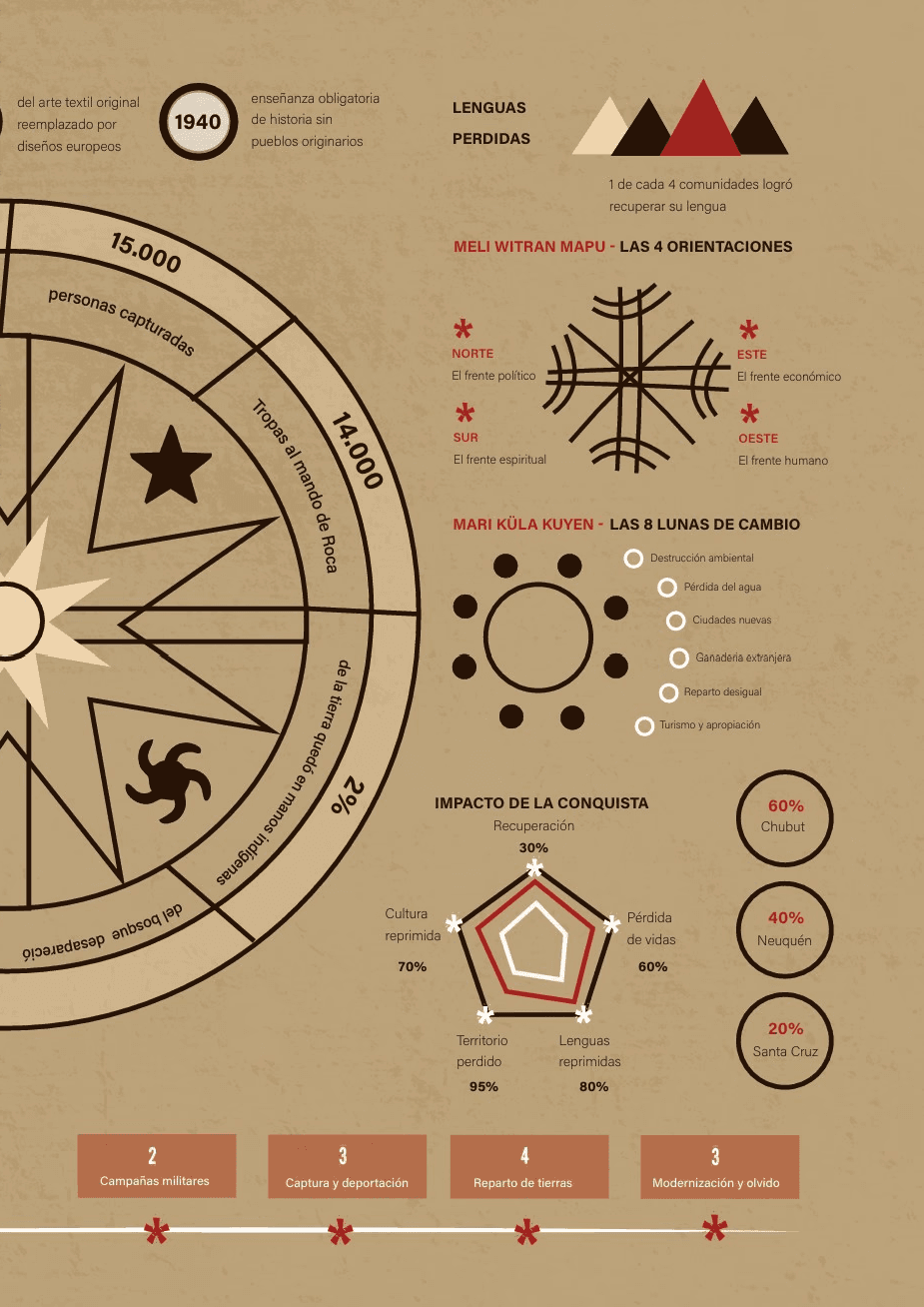
Historical information related to the Conquest of the Desert was organized through an infographic that combines quantitative data, cultural references, and symbolic systems.
The graphic construction takes elements of the Mapuche worldview as a starting point for structuring the composition. A central symbol functions as an organizational axis from which statistics, timelines, percentages, and supporting diagrams are distributed. In this way, the visualization not only communicates information but also incorporates visual codes connected to the cultural identity of the represented territory.
02

[relational model of the territory]
This diagrammatic system was developed as a visual tool to represent processes of change and cause-and-effect relationships within the Patagonian territory.
Unlike the infographic, it is not intended to communicate specific data. Instead, it constructs a conceptual reading of how natural forces, environmental transformations, and human consequences are interconnected.
Each trajectory represents a different variable evolving over time, making it possible to identify moments of balance, conflict, and transformation. The visual language draws inspiration from scientific diagrams and analytical models, reinforcing the idea of design as a tool for observation and analysis.




"A visual system designed to explore, observe, and understand the Patagonian landscape."
more archives